AC repair cost in Las Vegas (2026): common repairs and fair prices

The average AC repair costs about $375, parts and labor included. Small electrical parts like capacitors sit at the low end, while refrigerant leaks, coils and compressors can run into the thousands. Expect a diagnostic visit averaging about $125 to find the problem, which many companies credit toward the repair if you go ahead.
Typical prices for common repairs
| Repair | As low as | Average | As high as | What it fixes |
|---|---|---|---|---|
| Diagnostic visit | $75 | $125 | $250 | Finding the problem. Often credited toward the repair. |
| Drain line cleaning | $75 | — | $250 | Water in the pan or on the ceiling, or a unit shut off by its float switch |
| Capacitor | $100 | $175 | $400 | Outdoor fan or compressor humming but not starting |
| Contactor | $75 | $180 – $300 | $450 | Outdoor unit that won’t turn on, or won’t shut off |
| Thermostat replacement | $50 | $200 | $600 | System that doesn’t respond, or short-cycles |
| Coil cleaning | $100 | — | $400 | Weak cooling and high bills from a dirty coil |
| Condenser fan motor | $200 | $500 | $800+ | Outdoor fan not spinning, unit overheating |
| Refrigerant leak repair and recharge | $200 | $800 | $1,600+ | Warm air, ice on the lines, long run times |
| Blower motor replacement | $300 | $744 | $2,000+ | Little or no air from the vents |
| Evaporator coil replacement | $1,000 | — | $4,500+ | A leaking indoor coil |
| Compressor replacement | $600 | $1,550 | $4,000+ | A failed compressor, the heart of the system |
Figures are published ranges and averages from national cost guides, listed under Sources. A dash means the guides don’t publish an average for that repair. These numbers show what to expect. They are not quotes, and your technician sets the firm price after diagnosing the system.
Why your price can be higher or lower
Two homes with the same failed part can get different quotes, and both can be fair. Common reasons a repair lands above or below the average:
- The company. Overhead, licensing, insurance, warranty on parts and labor, and technician experience all shape the price.
- The equipment. Part sizes and brands vary, and some manufacturers’ parts cost far more or take longer to get.
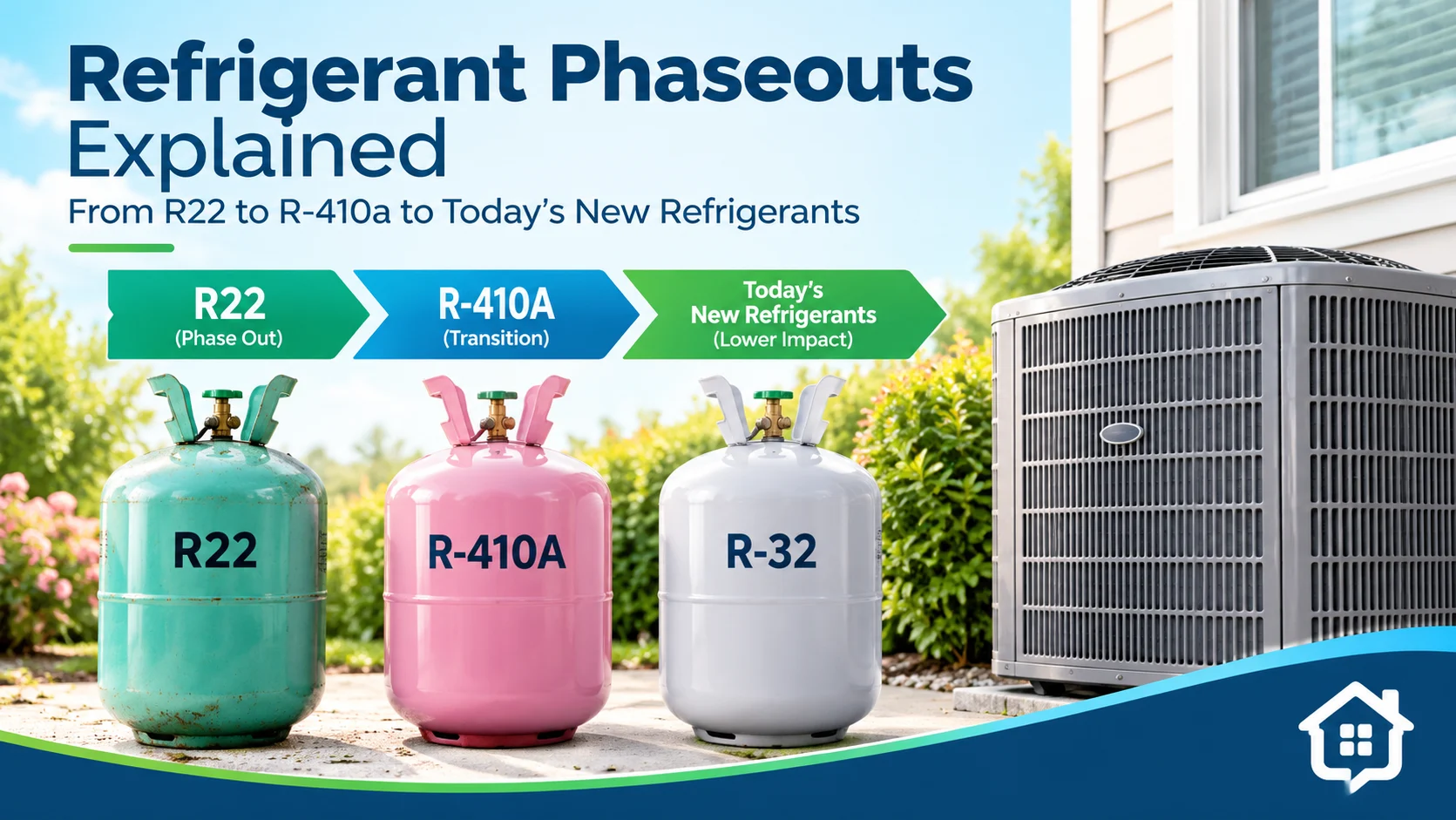
- Refrigerant type. Older systems that use R-22 cost much more to recharge than newer systems.
- Access. Attic air handlers in summer heat, rooftop units and tight closets take more time, and some jobs need a second technician.
- Bringing it up to code. Replacing one part can expose wiring, disconnects or drains that no longer meet code and must be corrected.
- Timing. After-hours, weekend and holiday calls usually cost more, and summer demand in Las Vegas can stretch wait times.
The repairs Las Vegas homes see most
- Capacitors. Heat wears them down, and a weak capacitor makes the compressor and fan motor work harder to start. It’s one of the most common summer calls and one of the cheaper fixes.
- Contactors. The contact points burn and pit over thousands of on-off cycles in a long cooling season.
- Condenser fan motors. They run in 110°F-plus air for months and are among the first moving parts to go.
- Clogged drain lines. Attic air handlers drain condensation through a small line. When it clogs, water backs up into the pan or the ceiling, or a safety switch shuts the system off.
- Dirty outdoor coils. Desert dust and debris coat the coil, the system can’t shed heat, and pressures climb. Cleaning is cheap compared with the damage it prevents.
- Refrigerant leaks. A system that is low on refrigerant has a leak. It doesn’t use refrigerant up.
What a fair diagnosis looks like
- The technician tells you what failed, shows you if possible, and explains how they tested it.
- You get a written price before any work starts, not after.
- You hear about options: repair now, repair plus a maintenance item, or a replacement price if the system is old. One option shouldn’t be pushed as the only choice.
- Old parts are offered back to you or shown to you on request.
Repair or replace: two quick checks
- The 50% rule: if a repair costs more than half the price of a new system, replacement usually makes more sense. For a system that has needed several recent repairs, some contractors use 30 to 40%.
- The $5,000 rule: multiply the system’s age by the repair price. If the result is over about $5,000, replacing is usually the better long-term choice. Example: a 12-year-old system with a $500 repair gives 6,000.
Las Vegas systems tend to wear out sooner than those in milder climates, often in 10 to 15 years. If yours is in that range and needs a compressor or coil, ask for a replacement price too. Our AC replacement cost guide explains what a full quote should include.
Ways to avoid a summer breakdown
- Schedule a tune-up in spring, before the first 100°F week, when companies have openings and can catch weak capacitors and contactors early.
- Check the filter monthly from May through September and replace it when it looks gray.
- Keep at least two feet of clear space around the outdoor unit, and gently rinse dust off the coil with a garden hose (power off first). Never use a pressure washer.
- Pour a cup of water into the drain pan or check the float switch a few times a summer if your air handler is in the attic.
Need a repair? Find local heating and air conditioning companies in the BookTheFix Contractor Directory, and check the company’s C-21 license with the Nevada State Contractors Board before work starts.
Sources
- Fixr: AC repair cost, common issues and when to replace (2026)
- Fixr: How much does AC repair cost? (2026)
- Fixr: HVAC maintenance cost (2026)
- PICKHVAC: AC repair cost guide (2026)
- PICKHVAC: AC electrical parts replacement cost (2026)
- HomeServe: HVAC repair and replacement costs
- HomeGuide: AC evaporator coil replacement cost
- Fixr: Thermostat installation cost (2026)
- Nevada Real Estate Group: Las Vegas home HVAC age and desert AC buying guide (2026)
This article is general information for homeowners. Every home and system is different, so have a licensed professional evaluate yours before making repair or replacement decisions.