AC replacement cost in Las Vegas (2026): what you’ll pay and why
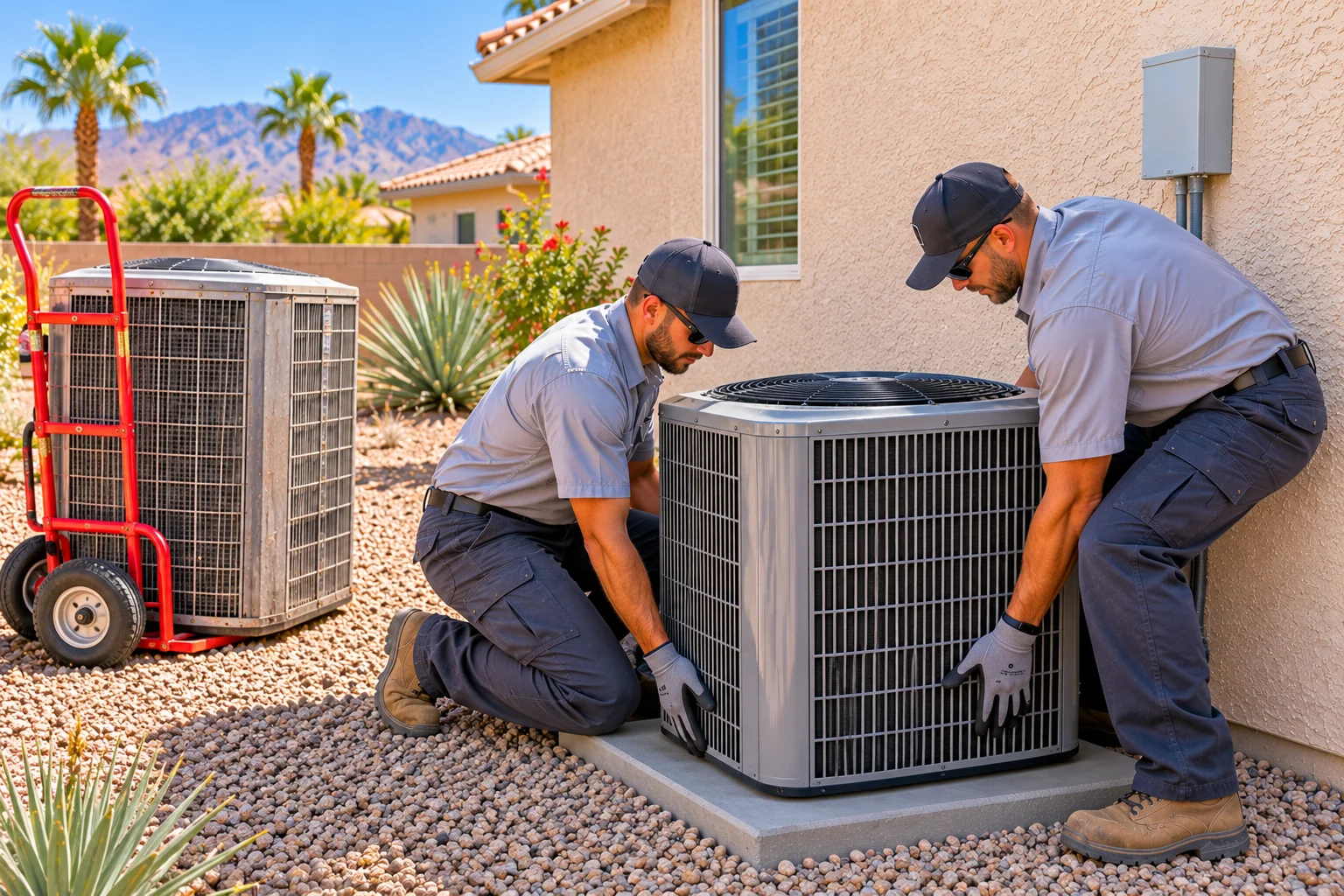
For one central air system on a single-story Las Vegas home, most homeowners should budget $8,000 to $12,000 installed, and a top-of-the-line system with new ductwork and whole-home air quality equipment can pass $35,000. A two-story home with two systems usually runs $15,000 to $25,000 and can pass $40,000 when both systems are fully loaded. Where you land depends on the equipment you choose, what your home needs to meet code, and how hard the equipment is to reach.
If a quote comes in far below those numbers, read it closely. It may cover only the outdoor unit, skip the permit, or reuse parts that should be replaced with the new system.
Typical prices in the Las Vegas Valley
| Home | As low as | Average | As high as |
|---|---|---|---|
| One system, single-story home | $8,000 | $8,000 – $12,000 | $35,000+ |
| Two systems, two-story home | $15,000 | $15,000 – $25,000 | $40,000+ |
The average column shows the range most Las Vegas homeowners are advised to budget. By type of system, typical installed prices look like this:
| System | Typical installed price (2026) |
|---|---|
| One system, code-minimum efficiency (14.3 SEER2) | $8,000 – $11,000 |
| One system, high efficiency (16 – 17 SEER2) | $11,000 – $14,500 |
| One system, variable-speed (inverter) | $14,000 – $18,000 |
| Two systems for a two-story home | $15,000 – $22,000 |
| Two high-efficiency systems with zoning | $22,000 – $28,000 |
The system-type prices come from a 2026 survey of Las Vegas contractor pricing and assume your existing ductwork can be reused. They are a guide to what to expect, not a quote. The company that does the work sets the price after seeing your home.
What a top-of-the-line system can cost
The high end goes well past the typical range once you combine the best equipment with new ductwork and whole-home air quality. Here is how a fully loaded single system (a large, variable-speed, highest-efficiency system with a matched furnace and coil) builds up:
| Part of the job | Typical added cost |
|---|---|
| Variable-speed, highest-efficiency system with furnace and coil, installed | $14,000 – $18,000 |
| Full ductwork replacement (more than 100 feet) | $5,000 – $12,000 |
| Whole-house air cleaner (HEPA or electronic) | $500 – $2,500 |
| UV lights | $500 – $1,500 |
| Whole-house humidifier | $200 – $600 |
| Zoning | $2,000 – $4,000 |
| Total | About $22,200 – $38,600 |
A two-story home with two fully loaded systems can run $40,000 or more. Add-on prices come from guides published before the latest round of increases, so today’s quotes can run higher.
Why equipment prices keep climbing
- Equipment prices were already up about 40% from 2020 to mid-2024, and the average residential system price nearly doubled over the same period, according to industry reporting.
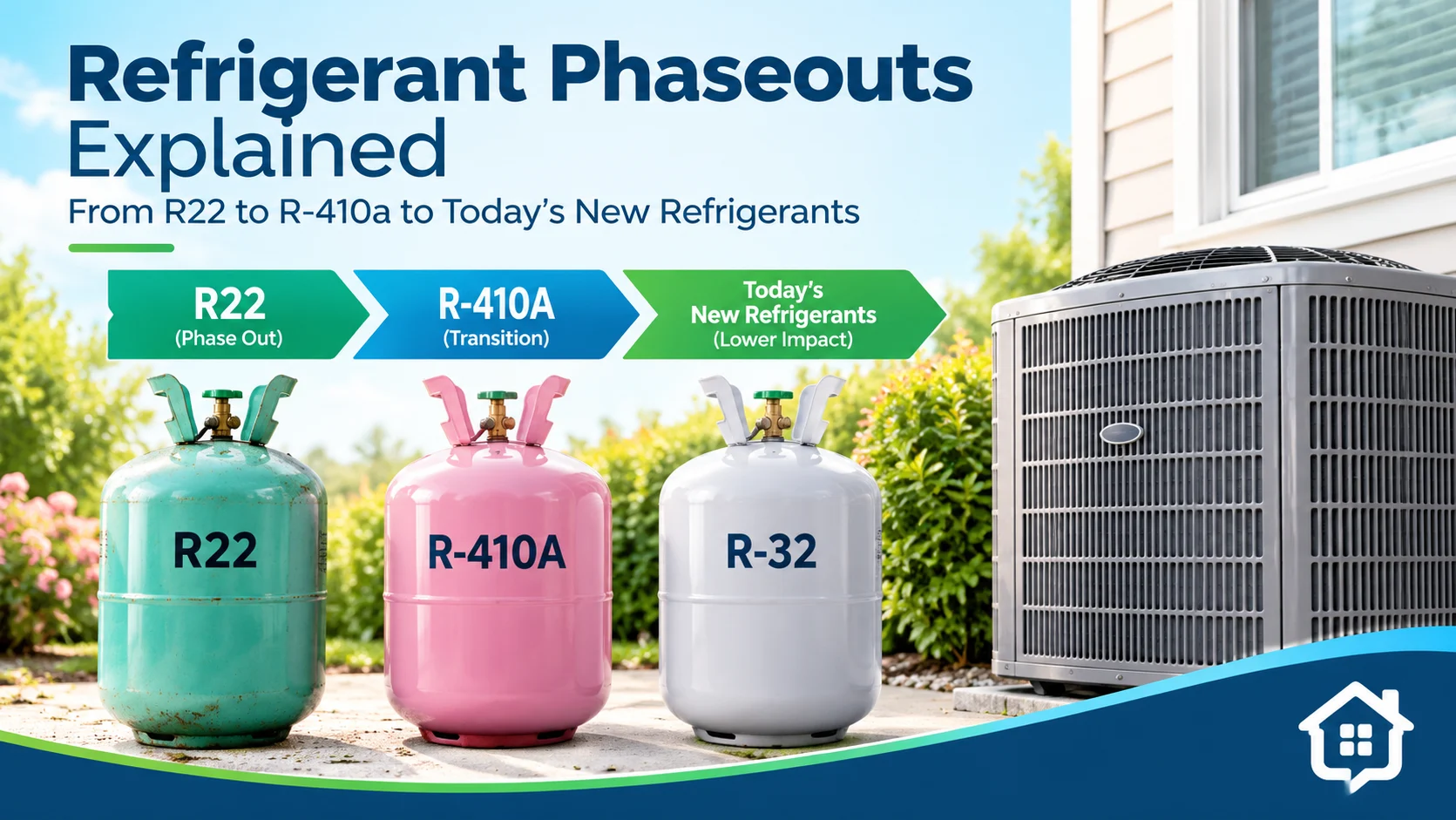
- The switch to new A2L refrigerants such as R-454B brought new equipment lines with higher base prices, and a shortage of R-454B in 2025 pushed one major refrigerant maker to add a 42% surcharge.
- Tariffs on imported parts and finished equipment have raised prices and stretched lead times across the supply chain.
When supply is tight, a contractor’s cost for the same equipment can change from one month to the next. A quote that is higher than one from last year may simply reflect what the equipment costs today.
Why AC costs more to own here
Desert heat is hard on equipment. Las Vegas typically sees 70 to 90 days a year above 100°F, and a system can run eight to fourteen hours a day through the summer while pushing heat out into 105°F to 115°F air. That is why local systems often last 10 to 15 years instead of the 15 to 20 you hear quoted for milder climates.
- Attic air handlers and ducts sit in attics that get far hotter than the outdoor air, which adds strain and makes duct leaks more costly.
- Rooftop package units take full sun on every side and often need a crane to replace, which adds to the price.
- Fine dust packs outdoor coils and filters quickly, so a neglected system works harder and wears out sooner.
- Nevada is in the Department of Energy’s Southwest region, where new split-system central air conditioners must meet at least 14.3 SEER2. You can’t buy the lower-efficiency equipment sold in northern states.
What a complete replacement quote should include
- The outdoor unit (an air conditioner or a heat pump) and a matching indoor coil. Ask for the AHRI certificate number, which shows the outdoor and indoor parts are rated to work together at the efficiency on the quote.
- The furnace or air handler, if it is being replaced too. Many Las Vegas homes replace both at the same time so the blower matches the new equipment.
- The refrigerant line set: whether it will be flushed and reused or replaced, and why.
- A new pad or roof curb, electrical disconnect and whip, condensate drain work, and a thermostat if it is included.
- The permit and inspection, removal of the old equipment, and proper refrigerant recovery.
- Labor and parts warranty terms, in writing, and who registers the manufacturer warranty.
Why your price can be higher or lower
No two installations are the same, and a fair price reflects the actual job. A quote above the average isn’t a red flag on its own. Ask the contractor to walk you through what is driving it. Common reasons:
- The company. Overhead, licensing, insurance, warranty terms, crew experience and how they stand behind the work all shape the price.
- Size (tonnage). Bigger homes need more capacity, and every step up adds cost.
- Efficiency. Higher SEER2 and variable-speed systems cost more up front and use less electricity, which matters in a long Las Vegas cooling season.
- Type of system. Split systems, rooftop package units and heat pumps are priced differently. A heat pump replaces a gas furnace’s heating as well as cooling.
- Ductwork. Leaky, crushed or undersized ducts should be fixed or replaced during the job, and that is quoted separately.
- Access and cranes. Tight attics and two-story homes add labor, and many rooftop replacements need a crane, which is billed for the day.
- Sheet metal work. New equipment rarely lines up exactly with the old. Custom plenums, transitions and stands are often fabricated on site.
- Bringing it up to code. Line sets, condensate drains, disconnects, roof curbs and platforms may need updating to meet today’s code.
- Electrical work. An older disconnect, breaker or wiring that doesn’t meet the new unit’s requirements adds to the bill.
- Indoor air quality. Air cleaners, HEPA filtration, UV lights and humidifiers each add to the total.
- Equipment costs and supply. Manufacturer price increases, refrigerant shortages and tariffs change what the contractor pays for the same equipment.
- Permits and inspections, removal of the old equipment and proper refrigerant recovery.
- Timing. A failure in July leaves little room to compare quotes. Planning a replacement in spring or fall usually gives you more choice.
Permits in Clark County, Henderson and North Las Vegas
Replacing an air conditioner or furnace requires a permit. Clark County lists AC and furnace replacements as simple permits, with a separate permit for each appliance. The cities of Las Vegas, Henderson and North Las Vegas run their own building departments. Your contractor should pull the permit and schedule the inspection, and the quote should say the permit is included.
Rebates and tax credits in 2026
The federal Energy Efficient Home Improvement Credit (often called 25C), which covered qualifying heat pumps and other equipment, ended for equipment installed after December 31, 2025. Utility and manufacturer rebates change during the year, so check NV Energy’s current programs and ask each contractor which rebates apply to the equipment they quote. For how any rebate or credit affects your taxes, talk with a tax professional.
Repair or replace?
If your system is under 10 years old and the repair is modest, repairing usually makes sense. Once a Las Vegas system is past about 12 years and needs a major part such as a compressor or indoor coil, it’s worth getting a replacement price at the same time as the repair price so you can compare the two. Our guide to AC repair costs lists typical prices for common repairs.
How to compare quotes
- Get at least three written quotes for the same tonnage and efficiency, or ask each contractor to explain why they recommend something different.
- Compare line by line: indoor coil, line set, thermostat, ductwork, permit and haul-away.
- Look at the labor warranty, not just the manufacturer’s parts warranty.
- Check the license. Air conditioning work in Nevada requires a C-21 refrigeration and air-conditioning license. Look up the license number on the Nevada State Contractors Board website before you sign.
- Get the start date, how long the job will take, and what happens if the house gets hot while the work is under way.
Ready to get quotes? Find local heating and air conditioning companies in the BookTheFix Contractor Directory.
Sources
- Nevada Real Estate Group: Las Vegas home HVAC age and desert AC buying guide (2026)
- Clark County Building & Fire Prevention: Building simple permits
- PICKHVAC: HVAC system cost, new installation and replacement (2026)
- HVAC.com: How do HVAC add-ons impact pricing?
- ACHR News: HVAC equipment prices expected to keep rising (2024)
- ACHR News: Honeywell announces 42% surcharge on R-454B (2025)
- ACHR News: From A2L to tariffs, HVACR had a year (2025)
- pv magazine: How the One Big Beautiful Bill affects heat pump adoption
- Nevada Administrative Code, Chapter 624: contractor license classifications
This article is general information for homeowners. Every home and system is different, so have a licensed professional evaluate yours before making repair or replacement decisions.