Winter plumbing prep: how to protect your pipes, sprinklers and water heater
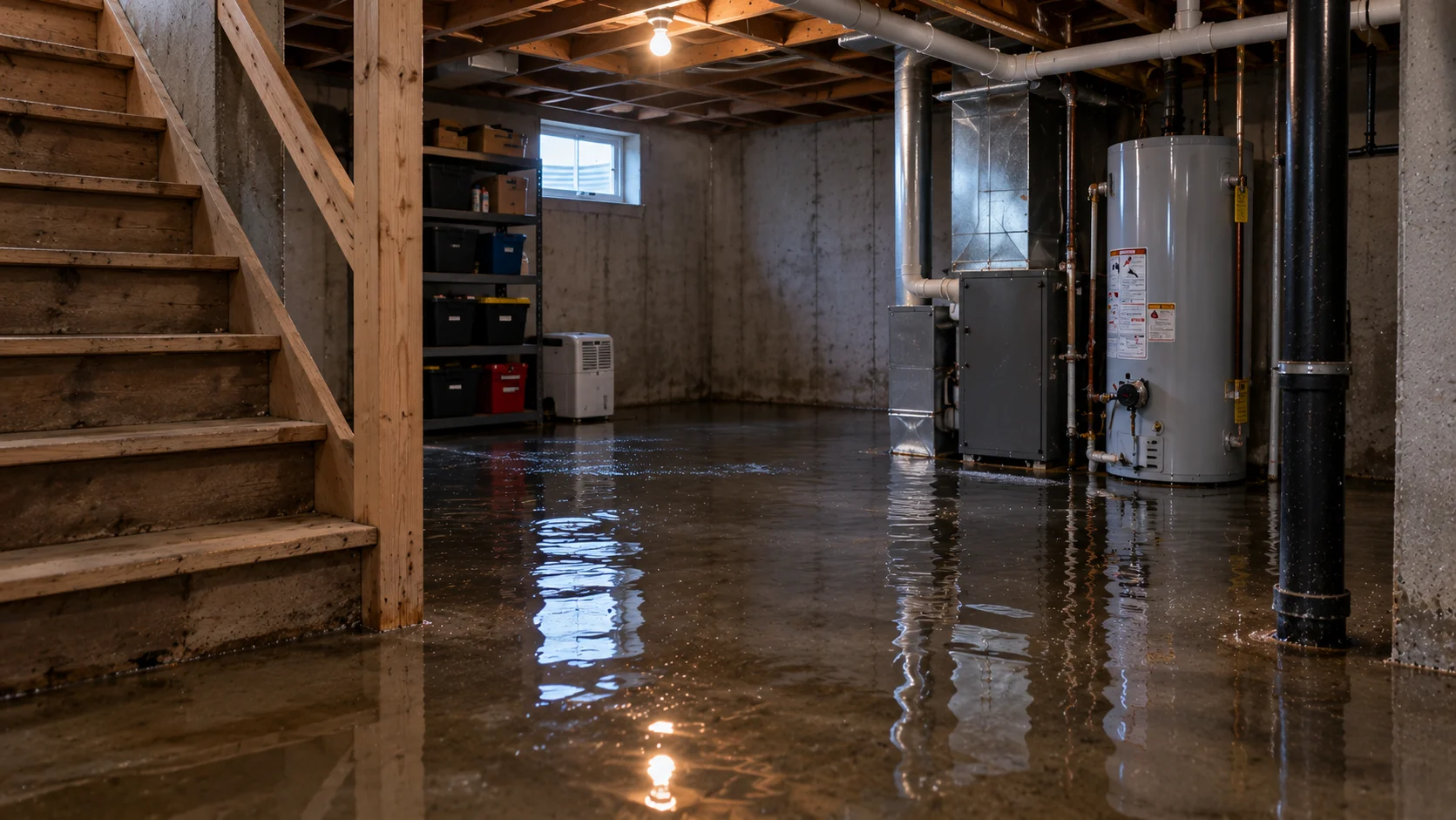
Frozen pipes aren’t just a problem in places with harsh winters. Homes in milder climates are often more at risk on the few nights a year that dip below freezing, because their pipes run through garages, attics and outside walls with little insulation. Water expands as it freezes, and the American Red Cross notes that this pressure can break pipes of almost any material. A couple of hours of prep in the fall prevents most of it.
Which pipes are most at risk
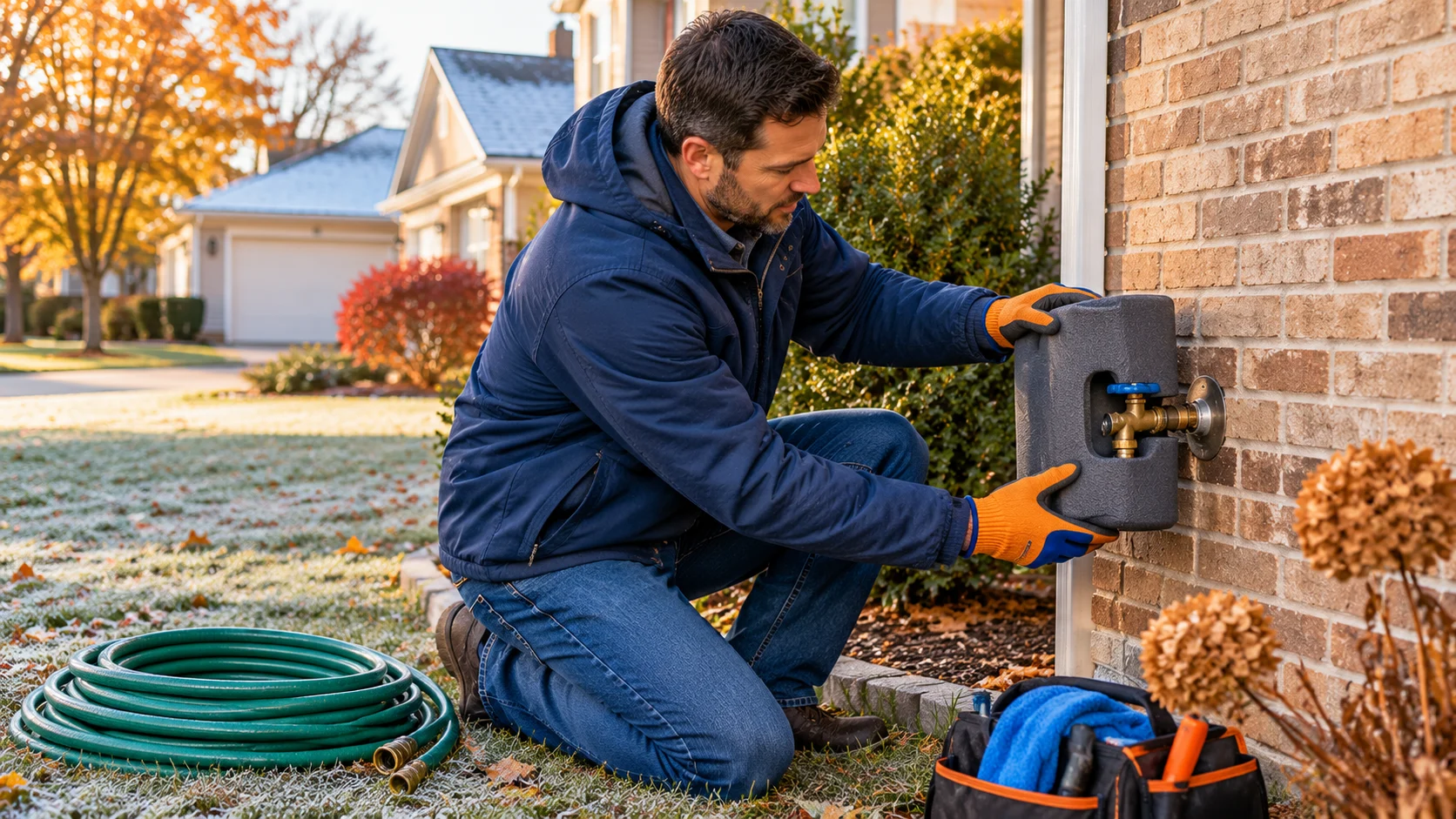
- Outdoor faucets (hose bibs), especially on shaded, north-facing walls.
- Sprinkler and irrigation lines, valves and the backflow preventer: the valve assembly above ground, usually near the water meter or the side of the house.
- Pool and spa equipment and their supply lines.
- Outdoor showers, misting systems and anything else that holds water in thin lines outside.
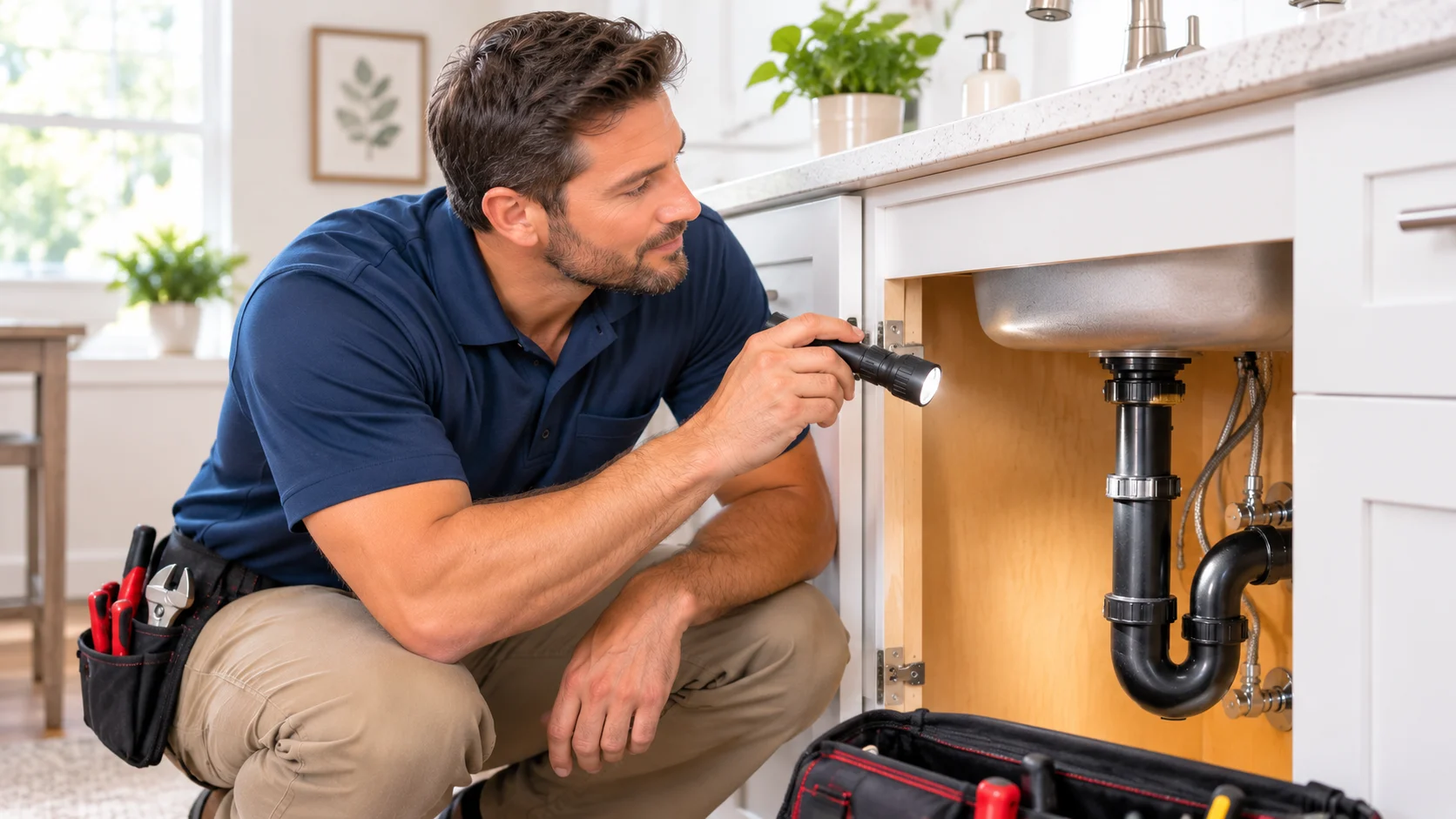
- Pipes in unheated spaces: garages, attics, crawl spaces, basements and under-sink cabinets on exterior walls.
- Pipes that run along outside walls with little or no insulation.
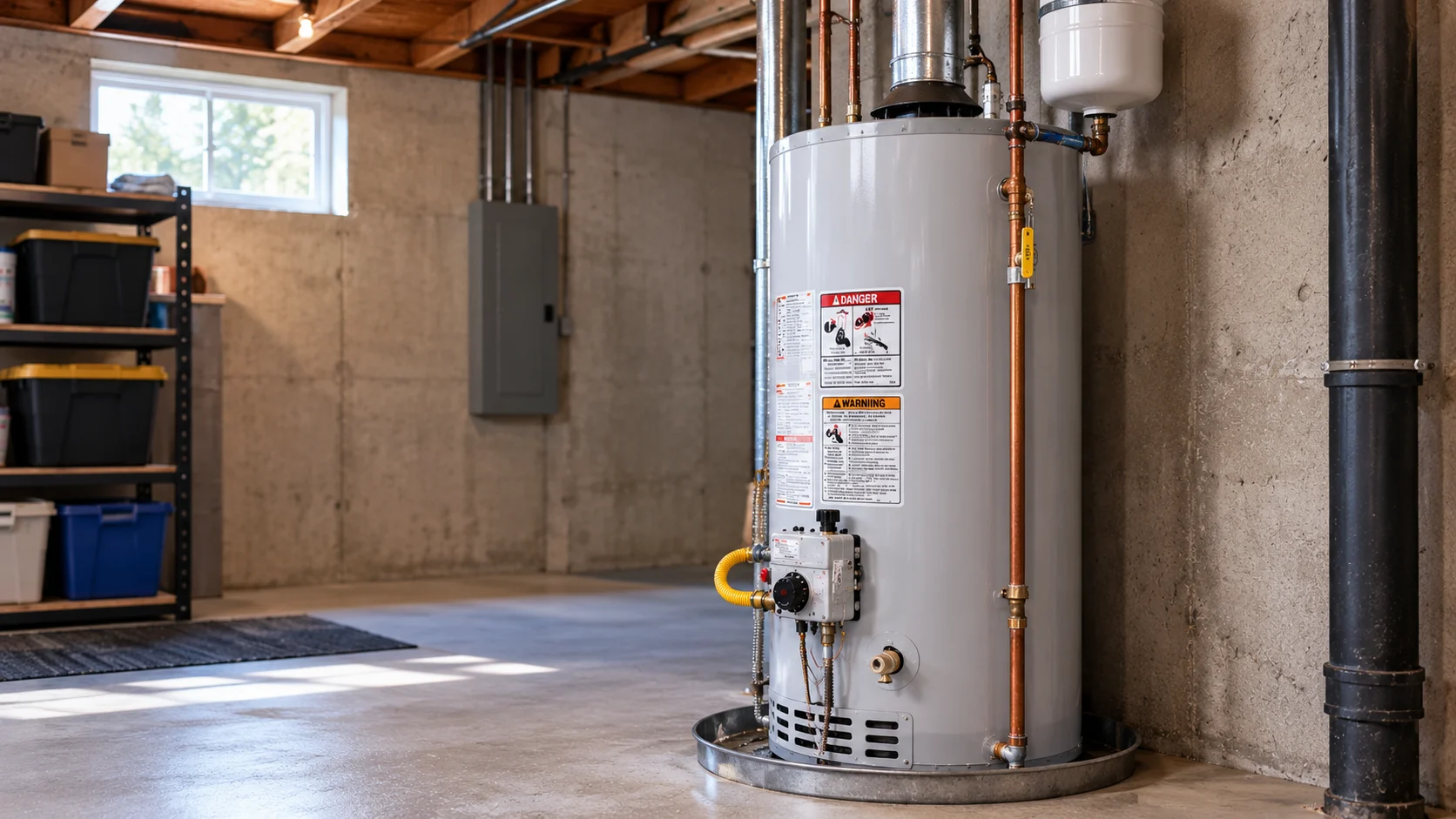
- Water heaters, water softeners and tankless water heaters in garages or mounted outdoors.
Before the first freeze
- Disconnect garden hoses and drain them. A hose left on the faucet traps water that can freeze back into the pipe. If your outdoor faucets have an indoor shut-off valve, close it and leave the outdoor faucet open so any leftover water has room to expand. Foam faucet covers add protection.
- Insulate exposed pipes. Foam pipe sleeves are inexpensive and easy to install on pipes in garages, attics, crawl spaces and basements. For pipes that freeze often, a plumber or electrician can add UL-listed heat cable.
- Seal cold-air leaks near pipes: gaps where pipes go through walls, foundation vents in crawl spaces, and drafty sill plates.
- Drain outdoor showers and misting systems: shut off their water supply, open the lines and let them empty.
- Know where your main water shut-off is and make sure it turns. It’s often where the water line enters the house (in the basement, garage or a utility room) or near an outdoor faucet, plus the utility’s valve at the meter. If a pipe bursts, shutting the water off fast is what limits the damage.
- Keep the garage door closed on cold nights if water lines, the water heater or a water softener are in the garage.
Sprinkler systems
What to do depends on how cold your winters get.
- Where the ground freezes, the system needs to be winterized before the first hard freeze: shut off the water to the system and drain the lines. Many systems are cleared with compressed air, which is best left to an irrigation professional, because too much air pressure can damage pipes and sprinkler heads.
- Where winters are mild, you can usually keep watering, but reset the timer for winter. Plants need far less water when it’s cool, and many water utilities set winter watering schedules. Water in the late morning, during the warmer part of the day, so water doesn’t freeze on sidewalks and in the lines, and skip watering when a freeze or rain is forecast.
- Either way, protect the backflow preventer. Wrap it with an insulated cover or bag (sold at home improvement stores) and make sure it can still be reached for testing. In cold climates, follow your installer’s instructions for draining it.
Pools and spas
In colder regions, pools are usually winterized, or “closed,” by lowering the water and blowing out the lines, a job best done by a pool professional. In milder regions where pools stay open, check that the equipment’s freeze-protection setting is on: it runs the pump when temperatures drop near freezing, because moving water doesn’t freeze as easily. Your pool service company can confirm how your equipment is protected.
Water heater check
Your water heater works hardest in winter, when the incoming water is coldest. Fall is a good time to flush sediment, check the anode rod and test the pressure relief valve. Our article on water heater maintenance walks through each one. If you have a tankless water heater outdoors or in an unheated space, keep its power on all winter: many have built-in heaters that protect them from freezing, and they only work with power. Check the manual for its freeze-protection and drain-down instructions.
On the coldest nights
- Let cold water drip from faucets fed by exposed pipes. The American Red Cross notes that running water, even a trickle, helps keep pipes from freezing.
- Open the kitchen and bathroom sink cabinet doors on exterior walls so the home’s heat reaches the pipes. Move cleaners and chemicals out of children’s reach first.
- Keep the thermostat at the same setting day and night.
- If you’re leaving home, keep the heat on and set no lower than 55°F, as the Red Cross recommends. For a longer trip, consider shutting off the main water and opening a faucet to drain the lines, or ask someone to check the house.
If a pipe freezes
A faucet that gives only a trickle, or nothing at all, on a cold morning is the usual sign. Common spots are pipes on exterior walls, in garages and crawl spaces, and where the water line enters the house.
- Keep the faucet open, so water can flow as the ice melts.
- Warm the frozen section gently with a hair dryer, an electric heating pad or towels soaked in hot water. Start near the faucet and work back toward the frozen spot.
- Never use a torch, a propane or kerosene heater, or any open flame. Besides the fire risk, overheating can damage the pipe.
- Keep warming until full water pressure returns, then check the other faucets in the house: if one pipe froze, others may have too.
- If you can’t find the frozen spot, can’t reach it, or can’t thaw it, call a licensed plumber.
Quick winter checklist
- Hoses off, outdoor faucets covered.
- Exposed pipes insulated and drafts sealed.
- Sprinklers winterized or switched to a winter schedule.
- Backflow preventer covered.
- Pool winterized or freeze protection on.
- Water heater flushed and checked.
- Main shut-off located and working.
Sources
This article is general information for homeowners. Every home and system is different, so have a licensed professional evaluate yours before making repair or replacement decisions.